Travis Air Force Base Military Defense Counsel
Gonzalez & Waddington, LLC represents service members worldwide, including those associated with Travis Air Force Base. Civilian military defense attorneys Michael Waddington and Alexandra González-Waddington serve clients facing UCMJ investigations, court-martial defense, and adverse administrative actions such as reprimands or separation-related proceedings. If you are stationed at or connected to Travis Air Force Base, civilian counsel can work alongside detailed military defense counsel as you respond to serious military justice or command matters.
Why Travis Air Force Base Matters in a Military Defense Case
Travis Air Force Base is a major United States Air Force installation in Solano County, Northern California, near Fairfield, Suisun City, and Vacaville, and roughly between Sacramento and San Francisco. That location matters because service members tied to Travis often operate in a large regional footprint while serving on an installation with an unusually important mobility mission.
Official Air Force sources identify the 60th Air Mobility Wing as the host unit, and Travis is part of Air Mobility Command. The base also hosts the 349th Air Mobility Wing and elements of the 621st Contingency Response Wing. In practical terms, that means many service members here work in a command environment centered on operational readiness, movement, and rapid response. When an allegation arises, command concerns may extend beyond the accusation itself to how the issue affects duty status, reliability, and the member’s future in the service.
The Installation’s Mission Shapes the Local Military Environment
Team Travis describes its mission as providing global reach for America through a responsive, flexible, combat-ready air mobility force. Official installation material highlights strategic airlift, air refueling, passenger and cargo movement, and aeromedical evacuation as core functions. Travis is also described by the Air Force as a major West Coast mobility hub, and the 60th Air Mobility Wing is identified as the Air Force’s largest air mobility organization by personnel.
That mission does not change the legal standards in a UCMJ case, but it does explain why allegations involving service members at Travis Air Force Base can carry significant professional consequences. In a mobility-centered command, even an early-stage investigation may affect how a member is viewed by leadership. For some people, the immediate concern is not only whether charges will follow, but also how an investigation or command action may influence assignments, responsibilities, or administrative decisions.
Another important part of the installation is David Grant USAF Medical Center, which Military OneSource identifies as part of the 60th Medical Group on base. The medical center describes itself as the Air Force Medical Service’s flagship medical treatment facility in the United States. That presence adds to the scale and complexity of the Travis community and underscores that the installation supports far more than a single flying mission.
Local Context Without Guesswork
For a Travis Air Force Base military defense page, the most useful local context is straightforward. This is not a small, isolated post. It is a longstanding installation in Northern California that began during World War II as Fairfield-Suisun Army Air Base and later became Travis Air Force Base. Today it serves a broad Air Force mission with active-duty and Reserve components on the same installation. Those supported facts are enough to show why service members and families searching for military defense counsel may want advice tailored to the Travis setting rather than a generic discussion of military law.
Military Defense Counsel for Service Members Associated With Travis
When a service member connected to Travis Air Force Base needs civilian representation, the key question is usually not whether the base is important, but how to respond carefully and early. Gonzalez & Waddington, LLC focuses on military defense for service members worldwide. Michael Waddington and Alexandra González-Waddington represent clients in serious matters involving investigations, court-martial proceedings, and administrative representation.
Not every problem reaches the same stage. Some begin as an investigation. Others move into formal military justice proceedings. Still others remain administrative but still threaten a career, rank, or future service. A lawyer serving service members in the Travis Air Force Base community should understand the difference between those paths and the need to address them with clear, disciplined advocacy.
This page is not meant to be an exhaustive guide to every process that can arise at Travis. It is an introduction for service members, officers, enlisted personnel, and reservists who need to identify experienced civilian military defense counsel and understand the installation they are connected to. If you are facing a UCMJ investigation, preparing for a court-martial, or responding to adverse administrative action tied to Travis Air Force Base, contact Gonzalez & Waddington, LLC to discuss your situation at 1-800-921-8607.
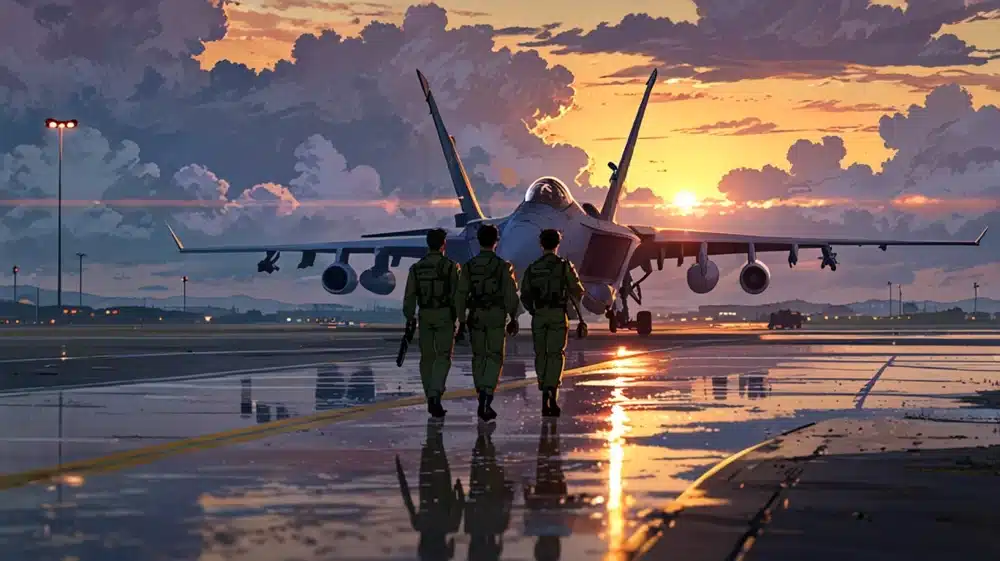
Travis Air Force Base California | Military Legal Guide
Travis Air Force Base is a major Air Mobility Command installation in Northern California. It is located in Solano County near Fairfield, Suisun City, Vacaville, Vallejo, Dixon, Benicia, Napa, Sacramento, San Francisco, Oakland, I-80, I-680, Highway 12, and the Bay Area–Sacramento corridor.
Airmen and service members stationed at Travis AFB may face UCMJ investigations arising from:
- 60th Air Mobility Wing operations
- 349th Air Mobility Wing Reserve operations
- C-5M Super Galaxy, C-17 Globemaster III, and KC-46A Pegasus missions
- Global airlift, aerial refueling, cargo movement, and passenger terminal operations
- Aeromedical evacuation and David Grant USAF Medical Center issues
- Flight-line, maintenance, logistics, medical, security forces, and mobility operations
- Off-base incidents in Fairfield, Suisun City, Vacaville, Vallejo, Napa, Sacramento, Oakland, San Francisco, and surrounding Northern California communities
- DUI stops, domestic calls, hotel allegations, dating-app encounters, civilian arrests, digital evidence, and California court matters
Civilian Court-Martial Attorneys for Travis AFB Service Members
Gonzalez & Waddington defends service members stationed at Travis Air Force Base in serious UCMJ matters. We handle courts-martial, Article 15 actions, letters of reprimand rebuttals, administrative discharge boards, Boards of Inquiry, and security clearance matters.
An allegation can threaten your career before charges are preferred. This applies to Airmen, officers, NCOs, enlisted members, aircrew, maintainers, aerial port personnel, medical professionals, security forces, logisticians, reservists, and service members assigned to the 60th Air Mobility Wing, 349th Air Mobility Wing, David Grant USAF Medical Center, or Travis tenant organizations.
Travis AFB is different from a routine Air Force installation. It is a massive mobility hub. It handles global airlift, aerial refueling, passenger movement, cargo movement, aeromedical evacuation, and strategic mobility missions. The local environment is also complex. Travis sits between the Bay Area and Sacramento. Service members may live, travel, socialize, or face police contact across multiple California jurisdictions.
That changes the shape of a case. A Travis matter may involve OSI, Security Forces, command witnesses, Fairfield police reports, Vacaville police reports, Solano County court records, body-camera footage, 911 calls, gate records, aircraft maintenance records, cargo records, passenger terminal records, medical records, phone extractions, social media, hotel records, rideshare data, and clearance paperwork.
If you are accused of Article 120 sexual assault or any other UCMJ offense at or near Travis Air Force Base, do not wait for the command’s theory to harden. This includes abusive sexual contact, domestic violence, assault, DUI, drug misconduct, fraud, larceny, false official statement, orders violations, harassment, stalking, threats, online misconduct, misuse of government systems, mobility mission misconduct, medical-related misconduct, and classified-information concerns.
Call Gonzalez & Waddington at 1-800-921-8607 or text 954-799-4019 to request a confidential consultation with civilian military defense lawyers who defend service members worldwide.
Civilian Military Defense for Service Members at Travis Air Force Base, California
Travis Air Force Base is home to the 60th Air Mobility Wing. The official 60th Air Mobility Wing fact sheet describes it as the largest air mobility organization in terms of personnel in the Air Force. It operates C-5M Super Galaxy, C-17 Globemaster III, and KC-46A Pegasus aircraft. It also handles more cargo and passengers than any other military air terminal in the United States. See the 60th Air Mobility Wing fact sheet.
Military OneSource identifies Travis AFB as located in Solano County near Fairfield, Suisun City, and Vacaville. It also notes that Travis lies between Sacramento and San Francisco. See the Military OneSource Travis AFB Overview.
That mission matters in defense cases. Travis personnel work in a high-tempo mobility environment. A case that begins as a local police report, dorm complaint, domestic call, hotel allegation, DUI stop, phone message, aircraft documentation issue, medical complaint, cargo issue, or command inquiry can quickly become a career-threatening matter involving OSI, command leadership, legal offices, clearance managers, supervisors, and administrative decision-makers.
A Travis AFB military defense lawyer must understand more than the basic court-martial process. The defense must account for air mobility operations, local Solano County evidence, Bay Area and Sacramento-area civilian records, digital evidence, aircraft maintenance records, medical records, passenger movement records, Reserve duty-status issues, clearance risk, and the speed with which command-driven investigations turn into Article 15s, letters of reprimand, administrative discharge boards, Boards of Inquiry, clearance reviews, or courts-martial.
Travis AFB, the 60th Air Mobility Wing & the 349th Air Mobility Wing
Travis AFB supports one of the Air Force’s most important global mobility missions. The base operates heavy airlift, strategic transport, aerial refueling, passenger movement, cargo operations, aeromedical evacuation, and worldwide contingency support.
Cases may involve:
- C-5M, C-17, and KC-46 aircrew records
- Aircraft maintenance forms and technical-order compliance
- Aerial port, passenger terminal, and cargo documentation
- Mobility deployment records and TDY schedules
- Aeromedical evacuation records and medical-unit evidence
- Reserve component duty-status issues involving the 349th Air Mobility Wing
- Security Forces reports, gate logs, restricted-area access, and patrol records
- Government systems, emails, Teams messages, texts, social media, and phone extractions
This mission environment affects military justice strategy. Allegations involving dishonesty, drug use, alcohol misuse, domestic violence, sexual misconduct, maintenance records, medical records, cargo documentation, government systems, or poor judgment can trigger immediate concerns about trust, access, deployability, mission suitability, and clearance eligibility.
Fairfield, Suisun City, Vacaville, Vallejo & the Local Northern California Setting
Travis AFB sits in Solano County near Fairfield and Suisun City. Service members may live in Fairfield, Vacaville, Suisun City, Vallejo, Dixon, Benicia, Napa, Davis, Sacramento, Oakland, or the wider Bay Area. They may travel along I-80, I-680, Highway 12, and routes connecting the base to San Francisco, Oakland, Napa, Sacramento, and Lake Tahoe.
Local allegations may arise from:
- DUI stops in Fairfield, Vacaville, Suisun City, Vallejo, Napa, Sacramento, or along I-80
- Domestic calls in off-base housing
- Hotel, apartment, dormitory, base housing, or dating-app allegations
- Bar, restaurant, parking lot, casino, wine-country, Bay Area, or Sacramento incidents
- Traffic accidents involving long commutes, rental cars, rideshares, or weekend travel
- Drug, prescription, or urinalysis issues
- Texts, social media, phone extractions, and digital evidence
- Mobility, medical, maintenance, or workplace complaints that become command investigations
For defense purposes, local evidence matters. Body-camera footage, 911 calls, dash-camera video, booking records, hotel records, restaurant receipts, bar tabs, phone location data, texts, rideshare records, photographs, medical records, casino records, building surveillance, and civilian police reports may tell a different story from the first version given to command. Early defense work can preserve evidence before it disappears.
California Civilian Courts, Federal Court & Military Consequences Near Travis AFB
A service member at Travis AFB does not need to be convicted in civilian court before military consequences begin. A single incident may trigger a civilian police report, Security Forces involvement, an OSI investigation, a command-directed inquiry, a no-contact order, duty suspension, a letter of reprimand, an Article 15, an administrative discharge board, a Board of Inquiry, a clearance review, or a court-martial referral.
Off-base cases near Travis may involve Solano County Superior Court, Fairfield court locations, Vallejo court locations, municipal traffic matters, protective order proceedings, or other California court systems depending on where the incident occurred. The Superior Court of California, County of Solano lists Fairfield courthouse locations including the Hall of Justice, Law and Justice Center, and Old Solano Courthouse, as well as the Solano Justice Building in Vallejo. See the Solano County Superior Court.
Federal jurisdiction may also matter in some Travis-related cases. The U.S. District Court for the Eastern District of California includes a Sacramento division. See the U.S. District Court for the Eastern District of California. Most Travis discipline still moves through the UCMJ and the chain of command, but some cases may involve federal property, firearms issues, cyber evidence, fraud allegations, child exploitation allegations, classified information, government systems, medical records, cargo records, or overlapping civilian and military exposure.
The key point for a service member is practical: civilian and military consequences are separate. A local dismissal does not automatically stop a letter of reprimand. A reduced civilian charge does not automatically prevent an Article 15. A protective order can still affect command decisions. A weak civilian case can still become a career-threatening military case if the defense fails to address both the civilian record and the chain of command.
Special Legal Risks for Aircrew, Maintenance, Aerial Port, Medical, Reserve & Mobility Personnel
Travis AFB cases often involve the unique pressures of global mobility operations. Service members may work on aircraft, in passenger terminals, on cargo missions, in medical settings, in Reserve status, in command support roles, or in restricted-access operational areas.
Mission-related cases may involve:
- Aircrew schedules, flight records, crew rest, and mission timelines
- Aircraft maintenance records, forms, tool control, and safety reporting
- Cargo documentation, aerial port records, passenger movement records, and deployment paperwork
- Aeromedical evacuation records and medical-unit evidence
- David Grant USAF Medical Center workplace or patient-care issues
- Reserve duty-status records and 349th Air Mobility Wing personnel issues
- Security Forces reports, gate logs, restricted-area access, and patrol records
- Government computer use, messaging systems, phone extractions, and digital records
A weak allegation can still create immediate consequences. A service member may lose access, be removed from flying duties, be pulled from maintenance duties, be restricted from medical or mobility duties, face clearance reporting, receive a no-contact order, be placed under investigation, or be processed for separation before the full evidence is reviewed.
How Local Travis AFB Incidents Become Military Legal Problems
The following examples are hypothetical. They are not claims about any actual case, business, command, or person. They illustrate how local facts can matter when a service member stationed at Travis AFB is accused of misconduct.
- Fairfield DUI: A service member leaves a restaurant, bar, unit event, hotel, casino, or weekend gathering and is stopped by civilian police. The civilian case may trigger a letter of reprimand, Article 15, driving restrictions, UIF, control roster action, clearance review, or discharge processing.
- Hotel or dating-app allegation: A hotel stay, off-base apartment visit, dating-app encounter, Bay Area trip, or wine-country weekend leads to an Article 120 sexual assault or abusive sexual contact allegation involving text messages, phone location data, hotel records, rideshare data, and competing accounts.
- Off-base domestic call: A family argument in Fairfield, Suisun City, Vacaville, Vallejo, Dixon, Sacramento, or Solano County leads to a 911 call, police report, protective order issue, no-contact order, firearm restriction, Family Advocacy involvement, and possible Article 128b domestic violence or administrative action.
- Mobility or cargo issue: An aerial port member, aircrew member, maintainer, or supervisor is accused of falsifying records, mishandling cargo, violating procedures, misusing government systems, or making a false statement during a mission-sensitive inquiry.
- Medical or patient-care allegation: A complaint arises in a medical unit or clinical setting involving patient records, workplace messages, staff witnesses, medical documentation, and command pressure.
- Reserve duty-status issue: A Reservist or active-duty member working with Reserve personnel faces allegations tied to duty status, orders, travel claims, pay records, attendance, or official documentation.
- Drug or urinalysis case: A member faces a positive urinalysis, prescription issue, suspected distribution allegation, vehicle search, dorm search, or phone messages suggesting drug use.
- Digital evidence case: The government relies on Snapchat, Instagram, texts, deleted messages, partial screenshots, photos, videos, metadata, location data, Teams messages, or a limited phone extraction. Early defense work can preserve context and expose incomplete evidence.
Military Law Issues for Service Members at Travis Air Force Base
Travis AFB service members may face court-martial charges, Article 32 preliminary hearings, Article 15 actions, letters of reprimand, administrative discharge boards, Boards of Inquiry, command-directed investigations, clearance reviews, unfavorable information files, control roster actions, and other adverse administrative paperwork. The issue may begin with OSI, Security Forces, local police, California Highway Patrol, a commander’s inquiry, a SAPR report, a dormitory complaint, a spouse allegation, a civilian protective order, a positive urinalysis, or an allegation from another member, civilian, family member, hotel witness, patient, contractor, coworker, or dating partner.
Article 120 Sexual Assault & Abusive Sexual Contact
These allegations may involve dorm rooms, off-base apartments, hotels, parties, unit social events, alcohol, dating apps, delayed reports, text messages, social media, phone extractions, rideshare records, hotel security records, or civilian witnesses from Fairfield, Suisun City, Vacaville, Vallejo, Napa, Sacramento, Oakland, San Francisco, or visiting military units. Cases often turn on consent, credibility, intoxication, timing, witness contamination, digital evidence, and command assumptions.
Domestic Violence & Assault
These cases may involve California police reports, 911 calls, body-camera footage, photographs, medical records, protective order filings, Family Advocacy records, text messages, no-contact orders, and firearms restrictions. Even if the civilian case is reduced, dismissed, or unresolved, the command may still pursue a letter of reprimand, Article 15, discharge, Board of Inquiry, or clearance action.
Drug & Alcohol Cases
A positive urinalysis, prescription issue, suspected distribution allegation, DUI, drunk-and-disorderly incident, or alcohol-related dorm, hotel, casino, or Bay Area event may lead to investigation, adverse paperwork, or separation. For members in aircrew, maintenance, medical, mobility, aerial port, security forces, command, or clearance-sensitive jobs, administrative consequences can move faster than the criminal process.
Fraud, Larceny, False Statements, Cyber & Property Offenses
These allegations may involve government property, travel cards, TDY claims, BAH questions, hotel records, cargo documentation, aircraft maintenance records, medical records, government computers, digital messages, access logs, classified systems, or command-directed inquiries. The defense must evaluate whether the government can prove intent, whether records are complete, whether witnesses are reliable, and whether administrative mistakes are being framed as crimes.
What to Know If OSI Contacts You at Travis AFB
Your rights in an OSI interview. Article 31(b) of the UCMJ gives you the right to know what you are suspected of and to remain silent, and you may ask for a lawyer before any questioning by the Air Force Office of Special Investigations (OSI). Declining to answer is not an admission. At Travis AFB, as anywhere, the safest first step is to say you want to speak with counsel and then stop talking.
Being titled is not the same as being charged. Investigators can title a service member and index the name in the Defense Central Index of Investigations on only "credible information." The case may go nowhere, yet the entry can resurface years later in background investigations and clearance reviews, so how the investigation is handled from the start matters.
Your commander may not be the one deciding. Covered offenses such as sexual assault, domestic violence, stalking, kidnapping, murder, child pornography and (since 2025) sexual harassment are now controlled by an independent Office of Special Trial Counsel, which decides whether charges are preferred and referred. Other allegations at Travis AFB still go through the chain of command.
Domestic violence allegations. Article 128b covers violence against a spouse, intimate partner or family member, and an allegation of strangulation or suffocation can be charged as aggravated assault even without a visible injury. A qualifying conviction can also trigger the federal firearms ban under the Lautenberg Amendment, which can end a career that requires carrying a weapon.
Drug allegations. Marijuana may be legal for adults under California law, but it remains prohibited for service members under Article 112a of the UCMJ, on post and off. A positive urinalysis is serious but contestable: the chain of custody, the testing process and innocent ingestion can all be challenged, and the government must prove the use was knowing and wrongful.
Pay and allowance allegations. BAH and other allowance cases are usually charged as larceny under Article 121 or as frauds against the United States under Article 124. An overpayment by itself is not a crime: the government must prove you intended to steal or defraud, and many of these cases begin as paperwork errors.
If you are under investigation at Travis AFB, talk to a military defense lawyer before you make any statement. Call Gonzalez & Waddington at 1-800-921-8607.
Working Alongside Detailed Military Defense Counsel
A service member facing court-martial generally has the right to detailed military defense counsel. Civilian counsel does not replace that lawyer. Civilian counsel works alongside them.
At Travis AFB, civilian counsel may need to review evidence from many sources, including OSI reports, Security Forces records, Fairfield police reports, Vacaville police reports, Vallejo police reports, Solano County filings, California Highway Patrol reports, body-camera footage, 911 calls, phone extractions, dorm witness statements, flight records, cargo records, passenger records, medical records, maintenance documentation, Reserve duty-status records, command emails, counseling records, hotel records, rideshare data, social media, protective order filings, urinalysis documents, clearance paperwork, and adverse administrative files.
Gonzalez & Waddington is a civilian military defense firm focused on military criminal defense and UCMJ litigation. We represent members of every branch — Army, Navy, Air Force, Marine Corps, Coast Guard, Space Force, Reserve, and National Guard. The firm defends courts-martial, Article 120/120b/120c cases, Article 128 and 128b assault and domestic violence cases, CSAM and online sting cases, investigations, Article 15/NJP actions, Boards of Inquiry, administrative separations, GOMOR and letter of reprimand rebuttals, clearance matters, and serious felony-level military cases.
Quick Answer: Military Defense Lawyers for Travis Air Force Base
Service members stationed at Travis Air Force Base can face military consequences from both on-base allegations and off-base incidents in Fairfield, Suisun City, Vacaville, Vallejo, Napa, Sacramento, Oakland, San Francisco, Solano County, and the surrounding Northern California region. A civilian military defense lawyer can work alongside detailed military counsel in courts-martial, Article 120 cases, Article 15 matters, letters of reprimand, administrative discharge boards, Boards of Inquiry, clearance matters, and command investigations. Because Travis AFB is home to the 60th Air Mobility Wing and supports C-5M, C-17, KC-46, global airlift, aerial refueling, aeromedical evacuation, cargo operations, passenger movement, and Reserve mobility missions, defense strategy should account for OSI involvement, command pressure, local California civilian court exposure, digital evidence, aircrew records, cargo records, medical records, Reserve duty-status issues, Bay Area civilian evidence, clearance risk, and long-term military career consequences.
Video transcript
Transcript of the video “Travis AFB Court-Martial & Article 120 UCMJ Defense Lawyers,” with Michael Waddington of Gonzalez & Waddington.
Read the full transcript of this video
My name is Michael Waddington, and I’m a criminal defense attorney. I have been aggressively defending military service members for over 20 years. If you are loved one are stationed at Travis Air Force Base in California, and you’re suspected or accused of any crime under the UCMJ, such as in Article 120 sexual assault or sexual harassment, and your career’s in jeopardy, then reach out and speak with one of our experienced military lawyers today.
If you are accused of any serious offense under the UCMJ, such as a UCMJ Article 120 sexual assault, then you should be concerned. Right now, the military is waging a war on sexual assault. You can expect a zealous and determined prosecution team coming after you and trying to win their case. These elite military prosecution teams are well funded, well trained, and bound and determined to win conviction. They are on a mission to prove to Congress that the military does not tolerate any form of sexual assault, domestic violence, or sexual harassment. Military prosecutors will be relentless in seeking a conviction and serious jail time once they have you in their sights.
To make matters worse, under new laws that went into effect in December of 2023, the new military justice system is victim centered. What that means to you, you if you’re accused, is that if a person makes an allegation against you, they are believed from the start. They won’t probe the credibility of a person making an allegation. They won’t look for any evidence that could disprove the allegation. They’re taking anyone who claims to be a victim and they’re taking their word for it.
That also means that people who have made false or exaggerated allegations will not be punished, even if their allegation is proven to be false. If anything, they may be allowed to retire and get military benefits for military sexual trauma, even if the allegation is proven false in court. You could expect to encounter law enforcement trained to start by believing. Therefore, you’re presumed to be guilty once the investigation has started, and the law enforcement and prosecutors will act accordingly.
Yes, that cuts against your constitutional rights, and that cuts against what our country was founded upon and what we stand for, but that’s what you can expect in the military justice system. In this new victim-centered approach, the victim, even if the victim is a lying victim, plays a key role in determining what happens to you. What could end up happening is, in a case where there’s no evidence, or if you’re in fact innocent, the victim may still insist that you get some sort of punishment. Even if you’re innocent and there is no evidence, do not be surprised that you end up at a court-martial, an administrative separation board, or receiving some sort of negative paperwork, such as a letter reprimand.
If you are under investigation for any crime under the UCMJ, then you need to stand up and take responsibility for your defense. Don’t become another statistic. Don’t play the victim. Don’t sit back hoping that someone comes to the rescue or that things are going to work out. It’s time to stand up, fight for your freedom, fight for your career, and fight for your reputation.
When my brother was facing false allegations of sexual assault and domestic violence, our family found ourselves in one of the most frightening and overwhelming situations we have ever experienced.
Prior results and client testimonials do not guarantee a similar outcome, and you may not obtain the same or similar results. Every case is different. No client was paid for a review.
Travis Air Force Base Military Defense FAQ
Can a DUI in Fairfield, Vacaville, Vallejo, or Solano County affect my Air Force career?
Can a hotel, apartment, Bay Area trip, party, or dating-app allegation become an Article 120 case?
Do Travis AFB service members need civilian military defense counsel if they already have military counsel?
Can Travis commanders take action before civilian charges are resolved?
Can aircrew, cargo, medical, maintenance, or Reserve duty-status issues become UCMJ cases at Travis?
Can a Travis AFB service member face administrative discharge even if civilian charges are dismissed?
OSI wants to interview me at Travis AFB. Do I have to talk to them?
No. Article 31(b) of the UCMJ requires investigators to tell you what you are suspected of and that you have the right to remain silent, and you can ask for a lawyer before answering anything. An interview is evidence collection, and OSI can title you as a subject on a low "credible information" standard that can follow you into background and clearance checks even if the case is dropped. Politely decline, ask for counsel, and call a military defense lawyer before you say anything.
Why Choose Gonzalez & Waddington for Travis Air Force Base Military Defense
Gonzalez & Waddington, LLC is a civilian military defense firm representing service members worldwide. The firm is led by Michael Waddington and Alexandra González-Waddington, a husband-and-wife defense team focused on military criminal defense, court-martial litigation, UCMJ investigations, separation boards, Boards of Inquiry, GOMOR and letter of reprimand rebuttals, Article 15/NJP matters, sexual assault defense, violent offense defense, and cyber and digital-evidence cases.
Michael Waddington
Michael Waddington is a former Army officer and former Army JAG. He served as an Army Trial Defense Counsel, Senior Defense Counsel, Army prosecutor, Special Assistant United States Attorney, and Chief of Military Justice. He has more than 25 years of military defense experience. He is licensed in Florida, Georgia, Pennsylvania, New Jersey, and South Carolina. He is admitted to all U.S. military trial courts worldwide.
Alexandra González-Waddington
Alexandra González-Waddington is a founding partner, former public defender, and experienced military defense lawyer licensed in Florida and Georgia. She is admitted to all U.S. military trial courts worldwide. She has defended service members in sexual assault, violent crime, war crimes, murder, classified-information, domestic violence, and white-collar cases. She co-tries the firm’s cases with Michael Waddington and is bilingual in English and Spanish.
The firm’s attorneys have defended service members in the United States, Germany, Italy, Spain, the United Kingdom, Japan, South Korea, Guam, the Middle East, Iraq, Afghanistan, and other deployed environments. For Travis AFB service members facing allegations involving global mobility operations, aircrew records, cargo records, medical evidence, OSI investigations, local California civilian evidence, Bay Area witnesses, digital records, command pressure, Reserve duty-status issues, or serious UCMJ charges, that trial-focused background matters.
Talk to a Civilian Military Defense Lawyer Serving Travis Air Force Base
If you are stationed at Travis AFB and are under investigation or facing command action, get legal guidance before making statements or submitting paperwork that may be used against you later. This includes situations where you are:
- Facing OSI or command questioning
- Accused of Article 120 sexual assault
- Dealing with a DUI or civilian arrest
- Receiving an Article 15 or fighting a letter of reprimand
- Preparing for an administrative discharge board or Board of Inquiry
- Worried about flying status, maintenance duties, medical duties, cargo duties, Reserve status, security clearance, access, or future assignments
Gonzalez & Waddington defends service members in serious military cases worldwide. The firm can work alongside detailed military counsel, review the evidence, preserve favorable information, prepare for command decisions, and build a strategy that accounts for the military case, Travis’s mobility environment, California civilian courts, local police evidence, aircrew records, cargo records, medical records, digital evidence, clearance issues, access issues, and long-term consequences to your rank, clearance, retirement, and future.
Call Gonzalez & Waddington at 1-800-921-8607 or text 954-799-4019 to request a confidential consultation. No attorney can guarantee a result. The goal is to intervene early, protect your rights, and help you make informed decisions before the command or prosecution theory hardens.
Helpful Travis Air Force Base & California Legal Resources
- Travis Air Force Base Official Website
- 60th Air Mobility Wing Fact Sheet
- Military OneSource Travis AFB Overview
- Superior Court of California, County of Solano
- U.S. District Court for the Eastern District of California
- Eastern District of California Clerk’s Office
Related Military Legal Guides
- California Military Defense Lawyers
- Air Force Military Defense Lawyers
- Global Military Base Directory
Nearby & Related Military Installations
- Beale Air Force Base Court-Martial Lawyers
- Edwards Air Force Base Court-Martial Lawyers
- March Air Reserve Base Court-Martial Lawyers
- Los Angeles Air Force Base Court-Martial Lawyers
- MCAS Miramar Court-Martial Lawyers
Aggressive Criminal Defense Lawyers
This video explains what your rights are and how experienced criminal defense lawyers can make a difference.








Facing a military investigation, UCMJ allegation, or serious criminal charge? Gonzalez & Waddington provides trial-focused defense for high-stakes cases. Call 1-800-921-8607 or text 954-799-4019 for a confidential, no-cost consultation.